Key Takeaways:
- The best Singapore interior designs start with space planning, clutter-control storage, and layered lighting—then finishes.
- Interior designers reduce stress and costly mistakes through project management and clear sequencing across the renovation process.
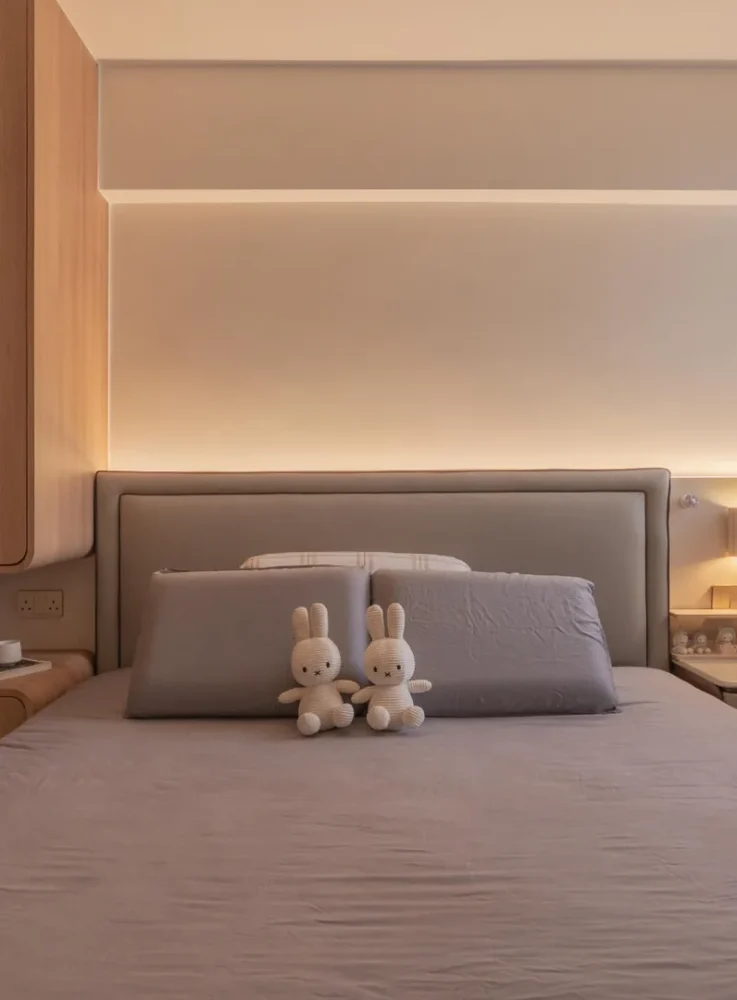
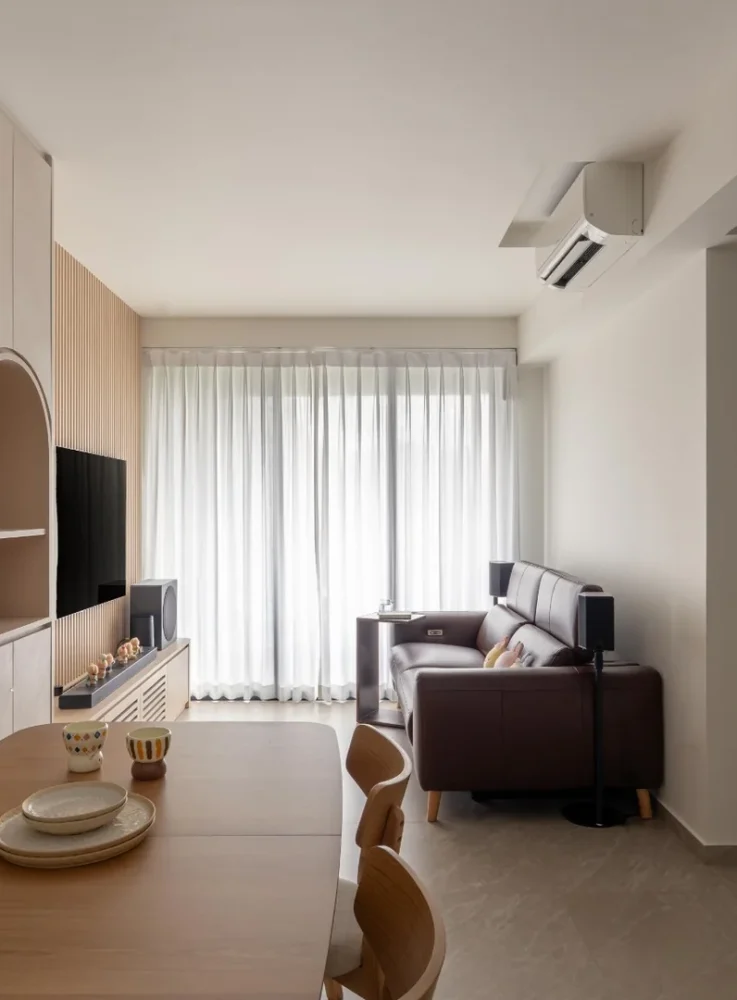
- Warm minimalism isn’t “empty”: it’s clean lines + texture + warm tones + practical storage—so your home feels easy to live in.

Singapore homes move fast: BTO handovers, resale timelines, condo MCST rules, defects checks, reno permits. Good interior design doesn’t try to impress—it tries to make daily life smoother.
At HŌMU HŌMU, we create stylish, down-to-earth, practical homes—clean structure, honest materials, thoughtful lighting, and well-planned storage. The goal is calm comfort, not an “untouchable showflat”.
Singapore interior designs work best when the interior design plan starts with layout, storage, and lighting—then moves into materials and styling. Professional interior designers bring space optimisation, design trends knowledge, and project management, which reduces renovation stress and prevents costly mistakes. This is especially helpful for HDB renovation and condo renovation where approvals and coordination matter.
Mini index
- Warm minimalism
- The design process + entire renovation process
- Budgets + detailed cost breakdowns
- Lighting strategy (scenes + colour temperature)
- Storage planning (hide vs display)
- 2026 Singapore trends to know
- FAQs (costs, budgeting, reality checks)
Warm minimalism in Singapore terms
Warm Minimalism emphasises warm neutrals and textured fabrics, combining Japanese and Scandinavian design elements. In a room hdb or compact condo, it’s the most reliable way to keep space calm without feeling bare.
Clean lines, but softened
Modern interior design in Singapore emphasises clean lines, minimalism, and functional spaces.
Curved furniture such as arched shelves and rounded tables are trending in interior design to soften rigid lines.
Quick Win (layout)
Before you buy furniture, tape out your sofa + dining footprint on the floor. If circulation feels tight, fix the space planning first—your future renovation project will thank you.
Why homeowners still hire interior designers
Professional guidance from interior designers significantly reduces renovation stress for homeowners.
Hiring an interior designer often results in cost savings by avoiding costly mistakes and achieving a more functional space.
Space optimisation + real-life flow
Professional interior designers bring expertise in space optimization, design trends, and project management.
Interior designers help maximise a property’s value through their design expertise and project management skills.

Time, money, and the right people
Hiring an interior designer can save homeowners time and money by leveraging their contacts with specialist sub-contractors.
Homeowners can save time and money by leveraging an interior designer’s contacts with specialist sub-contractors. (Yes, it matters enough to say twice.)
When to engage
Homeowners should engage an interior designer 3–6 months before their planned renovation start date for optimal results.
Homeowners should consider hiring an interior designer when their renovation budget exceeds S$30,000 or when planning major layout changes.
Homeowners should consult an interior designer for advice if they are unsure about their design theme or style.
How to choose interior designers in Singapore without guesswork
Choosing an interior designer involves considering their portfolio to ensure it aligns with your project requirements.
Interior design firms in Singapore often showcase their projects to demonstrate versatility and creativity.
Homeowners in Singapore often seek inspiration for their interior design projects from various sources, including portfolios of design firms.
Portfolio check: what to look for
Don’t only look at style. Look for:
- Clean lines that stay clean (practical storage behind them)
- Lighting that looks good day and night
- Honest materials you can live with
- Layout decisions that reduce clutter
See relevant projects in our portfolio: https://www.homuhomu.sg/portfolio
Budget realities for home renovation in Singapore
Interior design costs in Singapore typically range from S$10,000 to S$100,000+ depending on property type and scope.
HDB renovation costs generally range from S$25,000 to S$80,000.
Private condo renovation projects cost between S$40,000 and S$150,000.
Home renovation costs vary significantly based on property size, design complexity, and material selection.
Budget rule of thumb
A reasonable renovation budget for interior design typically allocates between 5% to 15% of the property’s value.
BTO renovation budgets often start from S$10,000, while resale flat renovation may require a higher investment due to additional repairs.
Pricing models you’ll see
Interior designer fees in Singapore vary by charging method and project scope, with hourly rates ranging from S$80 to S$120 for junior designers.
Most interior designers in Singapore prefer fixed project fees, with BTO renovation costs ranging from S$25,000 to S$60,000.
Per square foot pricing typically ranges from S$30 to S$60 for basic home renovation projects.
Many designers charge 10–15% of the total renovation budget, which includes design planning, 3D visualizations, material selection, and project management.
Detailed cost breakdowns
Homeowners can use a renovation calculator to get detailed cost breakdowns based on their specific requirements.
We recommend using this early—before you fall in love with premium materials that don’t match your budget.
Safety check: deposits
Homeowners should ensure their deposits are safe in the event of a firm’s insolvency when hiring an interior designer.
Style choices that actually work in Singapore homes
Singapore features a variety of interior design styles that cater to different tastes and preferences.
The choice of interior design style in Singapore can significantly impact the overall ambiance and functionality of a home.
Singaporean interior design blends multicultural heritage, tropical climate considerations, and modern, space-efficient living.
Minimalist, Japandi, Scandinavian
Popular interior design styles in Singapore include Minimalist, Japandi, and Scandinavian.
Modern Minimalist design focuses on functionality with clean lines and neutral color palettes, ideal for HDBs and compact condos.
Japandi design blends Japanese minimalism with Scandinavian functionality, featuring light wood furniture, muted earthy colors, and clutter-free spaces.
Scandinavian interior design in Singapore focuses on simplicity, functionality, and a connection to nature.

Contemporary, traditional, industrial, eclectic
Contemporary interior design in Singapore often incorporates current trends and innovative materials.
Traditional interior design styles in Singapore reflect cultural heritage and often include ornate details and rich colors.
Industrial interior design in Singapore is characterized by raw materials, exposed structures, and a utilitarian aesthetic.
Eclectic interior design in Singapore combines various styles and elements to create a unique and personalized space.
“Modern meets tradition” in a calm way
Batik prints can be used for cushion covers or wall hangings to introduce traditional patterns and colors.
Peranakan tiles are vibrant, patterned tiles used in various home applications to add a historical touch.
A balanced ‘modern meets tradition’ look is achieved by pairing heritage items with contemporary furniture.
Personal decor, such as family heirlooms and local artwork, adds significance to Singaporean interiors.
Materials: warm, honest, and maintainable
Natural materials like rattan, cane, and terrazzo are used for warmth and texture in Singaporean design.
Tactile textures like fluted wood panels and limewash paint are replacing flat surfaces in interior design.
Quiet luxury, without the flex
Quiet Luxury prioritizes understated elegance with premium materials and seamless smart home integration.
2026 durable-finish mindset
Smart home technology and eco-friendly materials are essential in modern interior renovations.
Natural light and calm atmosphere
Maximizing natural light in interiors involves using large windows, sheer curtains, and reflective surfaces.
Warm color palettes are moving towards earthy tones such as terracotta, sage green, and warm clay.
Quick Win (lighting)
Switch to warm-white lighting at night (think “restful, not yellow”). Then add one accent light to wash a wall—your living space instantly feels more expensive and more calming.
Thoughtful lighting strategy: ambient + task + accent
Good interior design lighting is simple: ambient for overall comfort, task for what you do, accent for depth.
Practical “scenes” for daily life
- Morning: bright task + gentle ambient
- Evening: warm ambient + accent
- Movie: low ambient + wall wash
- Night: pathway lighting only
Storage: clutter-control that protects clean lines
Built-in storage is evolving towards full-height, handleless cabinets that blend seamlessly with wall colors.
This is how clean lines stay clean—your space doesn’t get visually noisy.
What to hide vs display
Hide: cables, routers, laundry baskets, cleaning supplies.
Display: a few meaningful items so the house feels lived-in, not sterile.
Quick Win (storage)
Create one “drop zone” near the entry: keys, bags, chargers, masks. When the first 2 minutes home are organised, the whole renovation feels worth it.
Flexible, multi-functional spaces (Singapore reality)
Flexible, multi-functional spaces are designed to support both work and living needs due to space constraints.
Multi-functional “Soulful” spaces include features like invisible workstations and modular furniture for hybrid work situations.
Process & timelines: Singapore-specific, honest
This is the design process that keeps the renovation process calmer—especially in HDB and condo contexts.
Process summary (short)
Consult → measure → concept → 3D → material selection → approvals → carpentry → site works → install → styling
What slows a project (and what doesn’t)
- Slow: approvals, carpentry lead times, coordination between trades
- Faster: styling, loose furniture, soft furnishings
- “Cannot rush”: good sequencing (or you get rework)
Approvals, permits, and guidelines
Interior designers help homeowners navigate guidelines and obtain necessary approvals for renovation projects. For HDB renovation approvals, HDB’s official overview is here.
Condo renovation notes
Condo renovation often needs MCST submissions, protection deposits, and strict work-hour controls. Your interior designers should translate those rules into an easy schedule for clients.
2026 Singapore interior design trends (what’s worth keeping)
In 2026, Singaporean interior design trends include Warm Luxury, Biophilic Design, and Japandi Evolution.
Biophilic Design integrates nature into homes using natural materials and features indoor plants to enhance well-being.
If you’re planning an HDB renovation or condo renovation and want a calm, practical plan—space, storage, lighting, finishes—we’ll walk with you through the entire renovation process.
FAQs
What is the average renovation cost in Singapore?
Interior design costs in Singapore typically range from S$10,000 to S$100,000+ depending on scope. HDB renovation often lands around S$25,000–S$80,000, while private condo renovation projects can be S$40,000–S$150,000.
Can I renovate a bathroom for $10,000?
It can be possible for a light refresh—fixtures, fittings, vanity, and minor waterproofing. If you’re hacking, moving pipes, or changing layout, costs rise quickly. Confirm scope first to avoid costly mistakes.
Is $100k for kitchen realistic total renovation?
Yes, especially with custom carpentry, appliances, rewiring, and plumbing changes. The kitchen and bathrooms are often the cost drivers. Prioritise functionality and layout first, then choose materials that match your budget.
How do Singaporeans afford renovations?
Many homeowners save in phases, keep layouts to reduce hacking, and set a realistic budget early. Hiring interior designers can reduce renovation stress and avoid costly mistakes that cause rework, which protects both time and money.
How much to renovate a 3-room HDB?
A 3-room HDB renovation depends on hacking, rewiring, wet works, and carpentry. HDB renovation costs generally range from S$25,000 to S$80,000. If you keep layout changes minimal, you’ll usually land nearer the lower end.
What is the most expensive part of a renovation?
Wet works (kitchen/bathrooms) and carpentry are often the biggest costs, especially with full-height built-ins. Electrical rewiring and premium materials can also push budgets up. Detailed cost breakdowns help you see where money is really going.
Should I hire an interior designer if I already have ideas?
Often yes. Professional interior designers bring space optimisation, design trend awareness, and project management skills. They help translate ideas into drawings, a buildable design process, and a coordinated renovation process that reduces stress and prevents mistakes.
When should I engage an interior designer?
A practical guideline is 3–6 months before your planned renovation start date, especially if you need approvals or significant carpentry. Consider it strongly when your renovation budget exceeds S$30,000 or you’re doing major layout changes.
What design styles are most suitable for compact Singapore homes?
Minimalist, Japandi, and Scandinavian styles are popular because they support clean lines, practical storage, and simple zoning. Warm minimalism works especially well when you add texture and warm tones so the living space feels calm, not bare.