Key Takeaways:
- Minimalist interior design works best when you design storage and layout first, then add style.
- A neutral palette plus natural materials and different textures keeps the minimalist interior warm.
- Thoughtful lighting—natural light plus layered, warm scenes—turns minimalism into daily comfort.

Singapore homes (BTO, resale HDB, and condo) are compact, bright, and busy—so a minimalist interior needs to be more than “nice pictures”.
At HŌMU HŌMU, minimalist interior design is calm you can use: clean lines, honest materials, thoughtful lighting, and storage that keeps daily clutter out of sight.
Minimalist interior design works best in Singapore when you design for routines first: declutter, use a neutral palette, keep clean lines, and prioritise hidden storage so walls and surfaces stay calm.
Maximise natural light with sheer curtains, then layer warm lighting for night. Choose functional furniture and multi functional pieces to protect space in smaller rooms.
- Meaning of minimalist interior design in SG terms
- Key principles: declutter → layout → storage → light
- Neutral colours + natural materials for warmth
- Lighting scenes for a well lit space
- Room-by-room minimalist interior design ideas
- Process & renovation timeline Singapore realities
- FAQs homeowners actually ask
Minimalist interior design, defined for Singapore homes
Minimalist interior design emphasises simplicity and functionality, not emptiness—especially in small spaces.
Warm minimalism (our default) means a minimalist approach built on clean architectural lines, a neutral colour palette, natural materials, and soft lighting, so the minimalist home feels calm without feeling cold.
What minimal interior design is
Minimal design interior is simple forms, smooth surfaces, and uncluttered spaces that are easy to clean and easy to maintain. It’s also a mindset: quality over quantity, with a curated selection of furniture and decor that supports functional spaces.
Why minimalist style works in HDB and condo layouts
Modern minimalist interior design fits open layouts because it reduces visual clutter and keeps circulation clear between living room, dining space, and kitchen. In many HDB flats, calmer walls and smarter storage make the same space feel larger without needing heavy renovation.
Minimalist interiors can still feel personal
Minimalist interiors don’t remove personality; they remove noise. Keep one or two meaningful items (art, photography, a small collection), and let negative space do the work so the minimalist aesthetic stays balanced.
Key principles for a practical minimalist interior
Minimalist interior design is based on a few key principles: simple shapes, practicality, and a focus on the essential.
Think of it as a sequence: declutter first, then plan the space, then lock storage, then decide lighting, then choose furniture.
Decluttering is the foundation
- Fact: Decluttering is the foundation of a minimalist design because it frees up space for more functional and stylish items.
A clutter free environment starts with clearing countertops and deciding what truly lives in the “main space” versus what belongs in cabinets.
Quantity minimalism without making life hard
Quantity minimalism works when it’s gentle: keep what you use, keep what you love, and remove the duplicates that create piles. A “one-in, one-out” habit helps prevent adding clutter over time, especially in smaller rooms.
Clean lines and sightlines
Clean lines come from simple silhouettes and consistent detailing, but also from sightlines. When the eye can travel from entry to window without hitting bulky furniture or messy surfaces, the minimalist space feels calmer and more spacious.
Smooth surfaces, fewer visual stops
In minimalist design, furniture should have simple shapes and smooth surfaces, avoiding ornate designs and heavy patterns. This reduces visual noise on walls and keeps visual harmony in the living areas, even when your home is busy.
Neutral palette and honest materials that don’t feel sterile
Neutral colours create a calm and cohesive environment, which is why minimalist interior design leans on neutral colours, neutral tones, and light colours.
In Singapore, the trick is warmth: choose neutrals with a soft undertone and add texture so the minimalist interior doesn’t feel flat.
The neutral colour palette rules you can remember
Use a base of whites, warm greys, and earth tones, then apply the 60-30-10 rule to keep balance.
- Fact: Neutral colours create a calm and cohesive environment.
Why it matters: calmer walls + steadier furniture colours make rooms feel larger and brighter.
Natural materials and natural elements
- Fact: Minimalist design often incorporates natural materials like wood and stone to add warmth and texture.
Use natural materials on touch points—timber-look joinery, stone-look counters, and a small metal accent—so modern minimalist interior design feels grounded.
Layering textures for warm minimalism
Layering textures adds warmth and depth to a neutral palette without breaking the minimalist style. A linen curtain, a textured rug, and one or two ceramic vases create visual interest while keeping uncluttered spaces intact.
Thoughtful lighting and natural light
Natural light makes spaces feel open and welcoming, especially in a minimalist interior.
Thoughtful lighting means layering ambient, task, and accent light, so the home stays cosy after sunset without turning bright or harsh.

Lighting layers for a well lit space
Use three layers: ambient to wash the space, task for cooking/reading/work, and accent for mood and focal point moments.
Quick Win (lighting): Set two scenes—3500–4000K for daytime tasks, and 2700–3000K for evenings—so the minimalist home always feels right.
Where lighting matters most
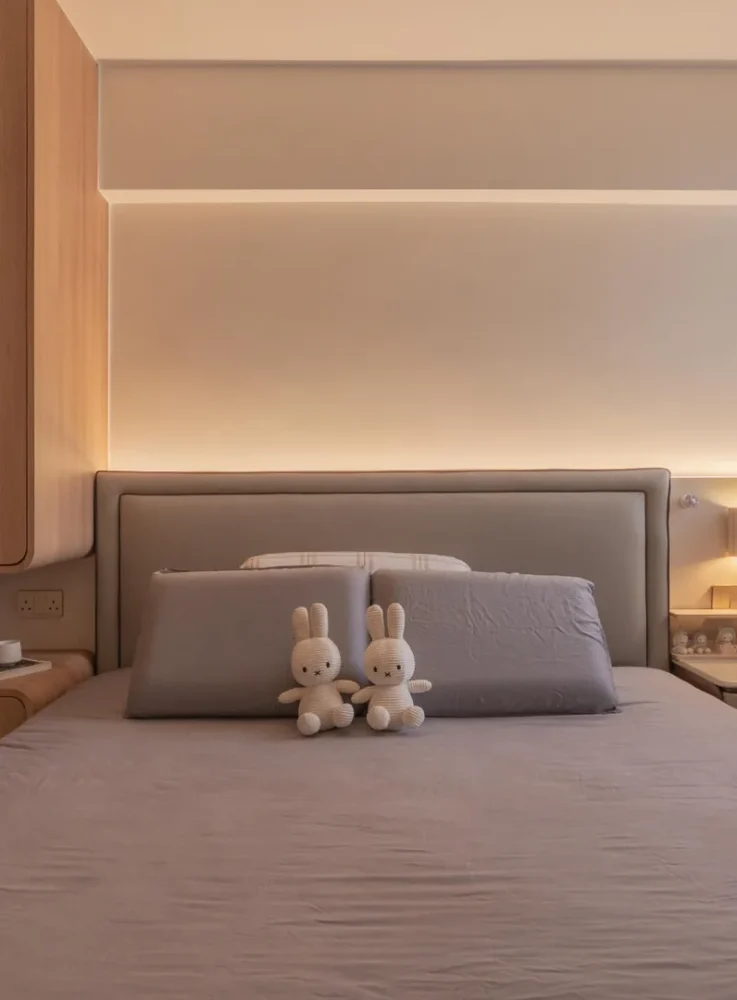
In the kitchen and dining room, task lighting prevents shadows and keeps cooking safer. In the minimalist bedroom and living room, warm accent light reduces glare and makes the space feel soft without adding decor.
Mirrors and reflective control
- Fact: Mirrors are often used in minimalist design to reflect light and create the illusion of more space.
A mirror placed to catch daylight can lift a narrow living room, but keep frames slim so walls stay clean and the minimalist interior stays quiet.
Intelligent storage that protects a clutter free home
Smart storage solutions are crucial in minimalist homes because clutter always finds the nearest surface.
A minimalist interior works when hidden storage carries daily mess, and display stays limited to a few meaningful pieces.
Built in cabinets and handleless fronts
- Fact: Prioritizing hidden storage, such as built-in wardrobes and handleless cabinets, keeps personal items out of sight in a minimalist home.
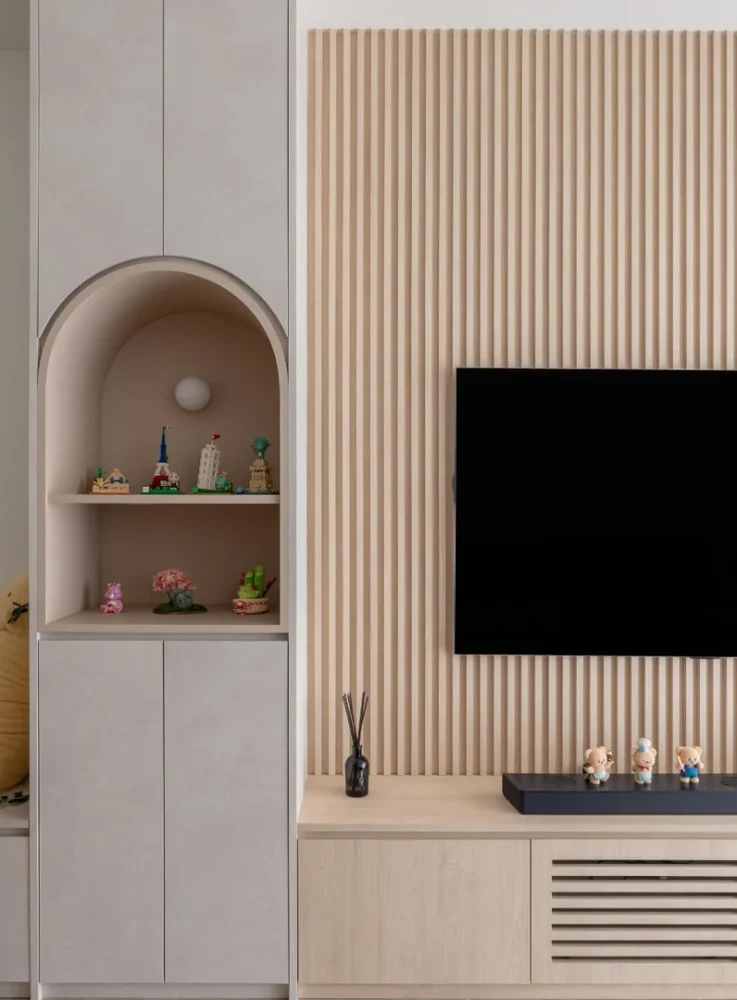
Built in cabinets along key walls help reduce visual clutter, protect circulation, and keep the minimalist aesthetic consistent.
Hidden compartments and cable management
- Fact: Maintaining a clutter-free workspace involves using only essentials and implementing cable management systems to conceal wires.
Use hidden compartments for routers, chargers, and paperwork, so even a work corner stays calm and functional.
Open shelving, used with restraint
- Fact: Open shelving in kitchens provides both storage and display space.
Keep it short and purposeful—one run for everyday cups—so minimalist kitchens don’t become a magnet for adding clutter.
Quick Win: stop clutter at the entry
Quick Win (storage): Design one “drop zone” with a closed shoe cabinet, a drawer, and a charging nook—this prevents daily items from spilling into the living room and dining space.
Functional furniture and multi functional pieces
Functional furniture is ideal for minimalist design because it reduces the number of pieces you need.
In Singapore, furniture choices should protect space: slimmer profiles, cleaner shapes, and pieces that do more than one job.
Multi-functional furniture for smaller rooms
- Fact: Investing in multi-functional furniture maximizes space, such as using sofa beds and storage beds for functionality in smaller areas.
Multi-functional furniture saves space and reduces clutter, which is why it’s a core move in modern minimalist interior design.
Dining space planning
An extendable dining table is a practical minimalist interior design idea: keep the dining space slim for daily meals, then expand for guests. Choose chairs with clean lines and lighter visual weight so the dining room stays open.
Modern furnishings without the showroom feel
Modern furnishings can still feel warm if you choose tactile fabrics and keep proportions human. Limit statement pieces to one or two, then let the rest of the furniture stay quiet so the minimalist space feels restful.
Room-by-room minimalist interior design ideas
Minimalist interior design ideas work best when you decide what each room must do, then remove what doesn’t support that.
Minimalist living room: airy, not empty
A minimalist living room often features clean-lined furniture and open floor space to maintain an airy feel. Keep one focal point (TV wall or art), keep cables hidden, and leave negative space around furniture so the minimalist interior feels spacious.
Minimalist kitchens: clear counters, cohesive look
- Fact: Using integrated appliances in the kitchen keeps countertops clear and maintains a cohesive look.
Plan where small appliances “live” behind doors, and if you want a kitchen island, keep it narrow and multi-use with hidden storage.

Minimalist bedroom: more floor, less fuss
- Fact: Using low-profile bed frames and wall-mounted lamps in bedrooms can help free up floor space.
Add under bed storage for seasonal items, but label it, so it supports a clutter free routine instead of turning into hidden mess.

Plants: life without clutter
- Fact: A few indoor plants can add life and organic color without cluttering a minimalist space.
One taller plant in the living room and one small plant in the bedroom is often enough to add natural elements without tipping into visual clutter.
Quick Win: protect one clean sightline
Quick Win (layout): Keep one clean sightline from entrance to window by keeping tall furniture off that path—this reduces visual clutter and makes open layouts feel bigger immediately.
Process & renovation timeline Singapore homeowners should expect
Minimalist interior design looks simple, but the interior design process needs sequencing to keep it smooth.
For HDB flats, certain works require approval, and renovation contractors typically submit the application with your proposed floor plan through HDB’s renovation process.
Process summary
- Consult → space planning → concept + materials → carpentry drawings → permits or MCST → site works → carpentry install → lighting + final styling
What usually takes time
Carpentry lead times can be the longest step because fabrication slots and installation sequencing are fixed. Lighting planning also takes time because wiring points must be decided early; late changes can mean rework on ceilings or walls.
HDB / BTO / resale / condo / MCST realities
A BTO defects check helps you confirm what needs rectification before finishing works. Resale homes often need more prep on old walls and services, while condo projects may require MCST submissions, lift protection, and deposits that affect the renovation timeline Singapore owners experience.
2026: durable finishes + simple smart-home wins
Choose durable, lower-VOC finishes where possible, and prioritise repairable surfaces so the minimalist home stays easy to maintain. Keep smart home basics practical: smart switches for lighting scenes, motion night-lights, and simple routines that support daily life.
FAQs
What is minimalist interior design?
Minimalist interior design emphasises simplicity and functionality: fewer items, clearer layouts, and uncluttered surfaces. It relies on neutral colours, natural materials, smart storage solutions, and thoughtful lighting so a minimalist home feels calm, well lit, and easy to live in.
What are common minimalist mistakes?
Common mistakes are skipping storage, choosing icy whites, using bulky furniture, and leaving cables exposed. Minimalist interior design works best with hidden storage, thoughtful lighting, and functional furniture sized to circulation—so the minimalist home stays tidy without effort.
What is the difference between minimalist and Japandi?
Minimalist style is cleaner and more pared back: smooth surfaces, neutral colours, and crisp clean lines. Japandi brings stronger craft warmth—more wood tones and softer shapes. Both work in SG; Japandi usually feels more textured.
Do Gen Z like minimalism?
Many Gen Z homeowners like minimalism because it supports calm routines and reduces visual clutter. The shift is toward warm minimalism—neutral tones, natural materials, and a curated selection of personal items—so the minimalist space feels human, not sterile.
Is minimalism out of trend in 2026?
Minimalism isn’t out; it has softened. Modern minimalist interior design in 2025–2026 leans warmer with different textures, smarter storage solutions, and layered lighting. The focus is functional comfort rather than strict bare essentials.
Why are interior designers ditching minimalism?
Some are ditching cold minimalism because it can feel harsh. The newer minimalist approach keeps clean lines and uncluttered spaces, but adds soft lighting, natural materials, and a few standout features so the minimalist interior feels inviting.